

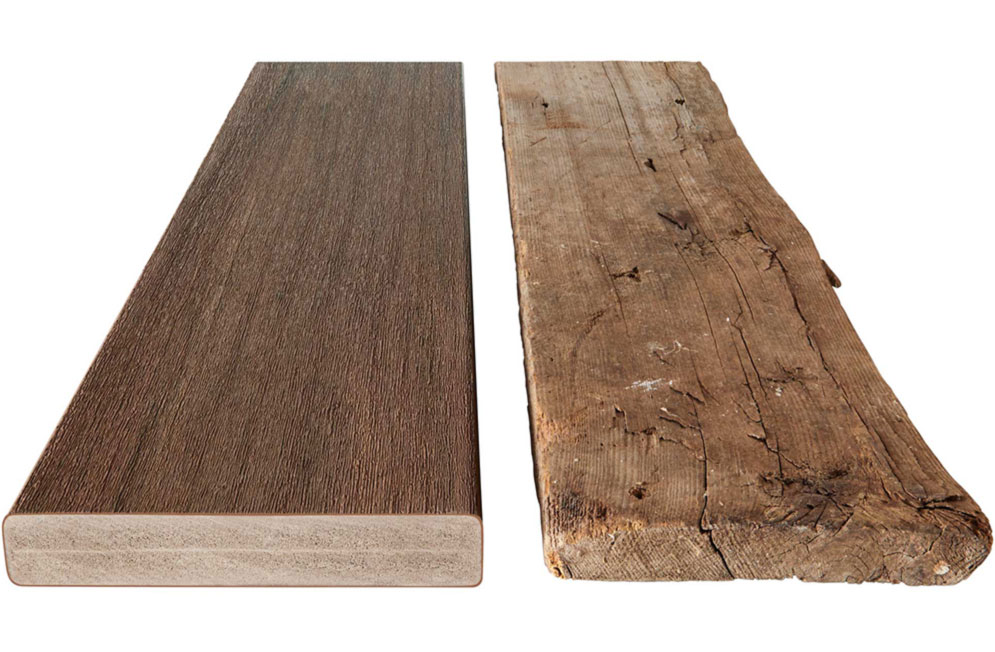
Wood vs. Composite Decking in Colorado
Best Construction Brands helps Colorado homeowners compare wood and composite decking based on appearance, maintenance, performance, and budget.
Find the Right Deck Material

Wood or Composite Decking: What Colorado Homeowners Need to Know
Both materials can create a great finished deck, but Colorado weather makes the differences in upkeep and long-term performance especially important.
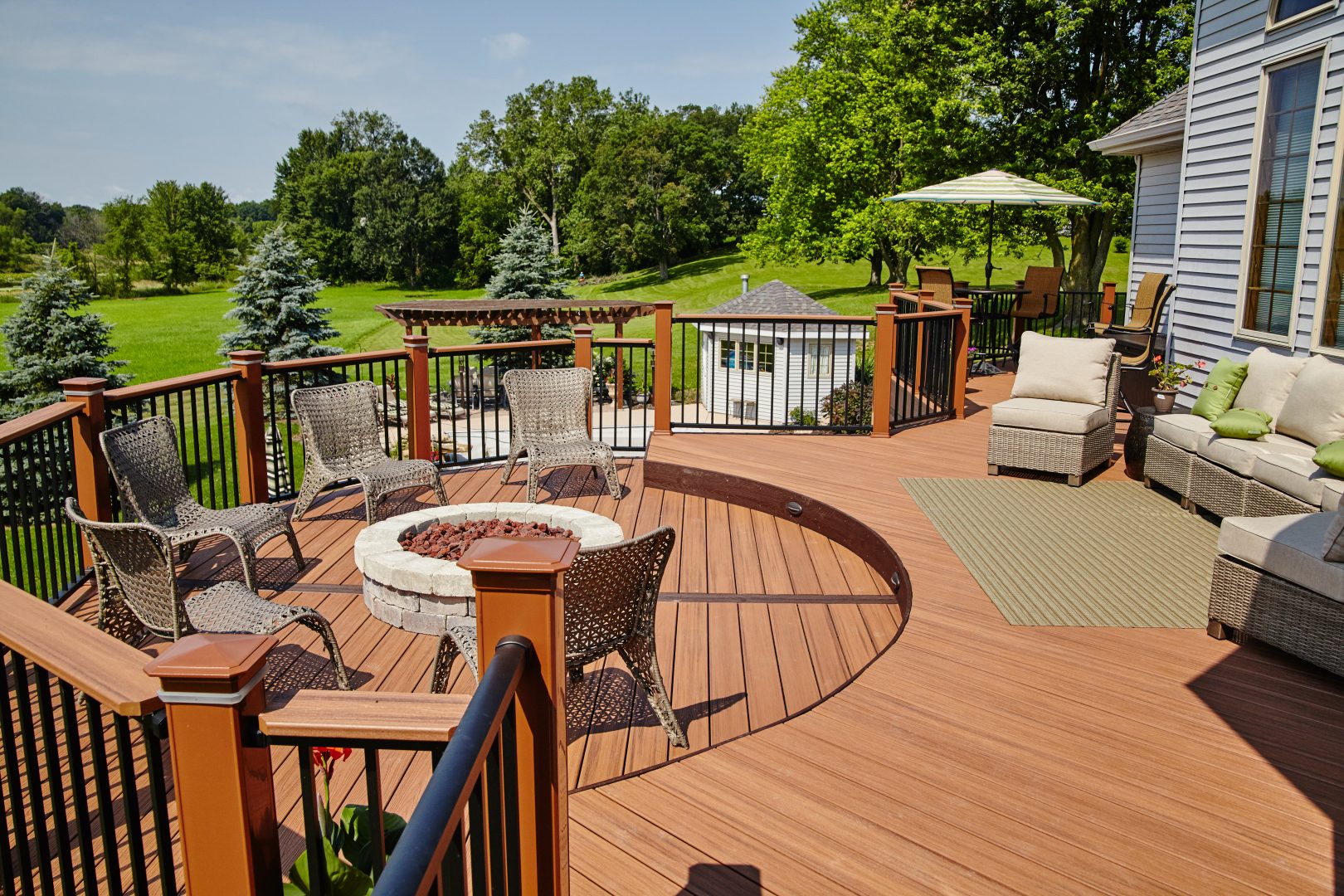
How Colorado’s Climate Shapes This Decision
Decking in Colorado has to handle conditions that can be hard on exterior materials throughout the year.
Intense High-Altitude Sun and UV Exposure
Strong sun can fade, dry, and weather exposed decking over time. Wood may require more ongoing care to maintain its appearance, while composite is often chosen for a more consistent finish with less maintenance.
Freeze-Thaw Cycles, Snow Load, and Moisture Swings
Temperature changes, snow, and moisture can cause outdoor materials to expand, contract, and wear over time. Proper material selection and installation both play a role in how well the deck holds up.

Wood Decking: Where It Shines and Where It Struggles
Wood remains a strong choice for homeowners who want a natural look and more traditional deck feel.
Natural Look and Repair Flexibility
Wood offers natural grain, warmth, and character that can work especially well with Colorado homes and outdoor settings.
Individual wood boards can also often be repaired or replaced as they age, giving homeowners flexibility when localized wear occurs.
The Upkeep Colorado Weather Demands
Wood generally requires more ongoing attention than composite. Sun exposure, snow, moisture, and temperature changes can lead to fading, cracking, splintering, or other signs of weathering.
Homeowners choosing wood should be comfortable with the additional maintenance that may be needed over time.
Composite Decking: Where It Shines and Where It Struggles
Composite decking is a popular option for homeowners who want a cleaner, more consistent appearance with less ongoing maintenance.
Built for Low Maintenance and Consistency
Composite does not require the same routine staining and finishing associated with traditional wood decking.
For many homeowners, that lower-maintenance approach is one of its biggest advantages, especially in a climate where decks face year-round exposure.
Trade-Offs Worth Knowing Before You Buy
Composite typically comes with a higher upfront material cost than many wood options. Product appearance, surface temperature, texture, and performance can also vary between manufacturers.
Best Construction Brands helps homeowners compare products rather than treating every composite option as the same.
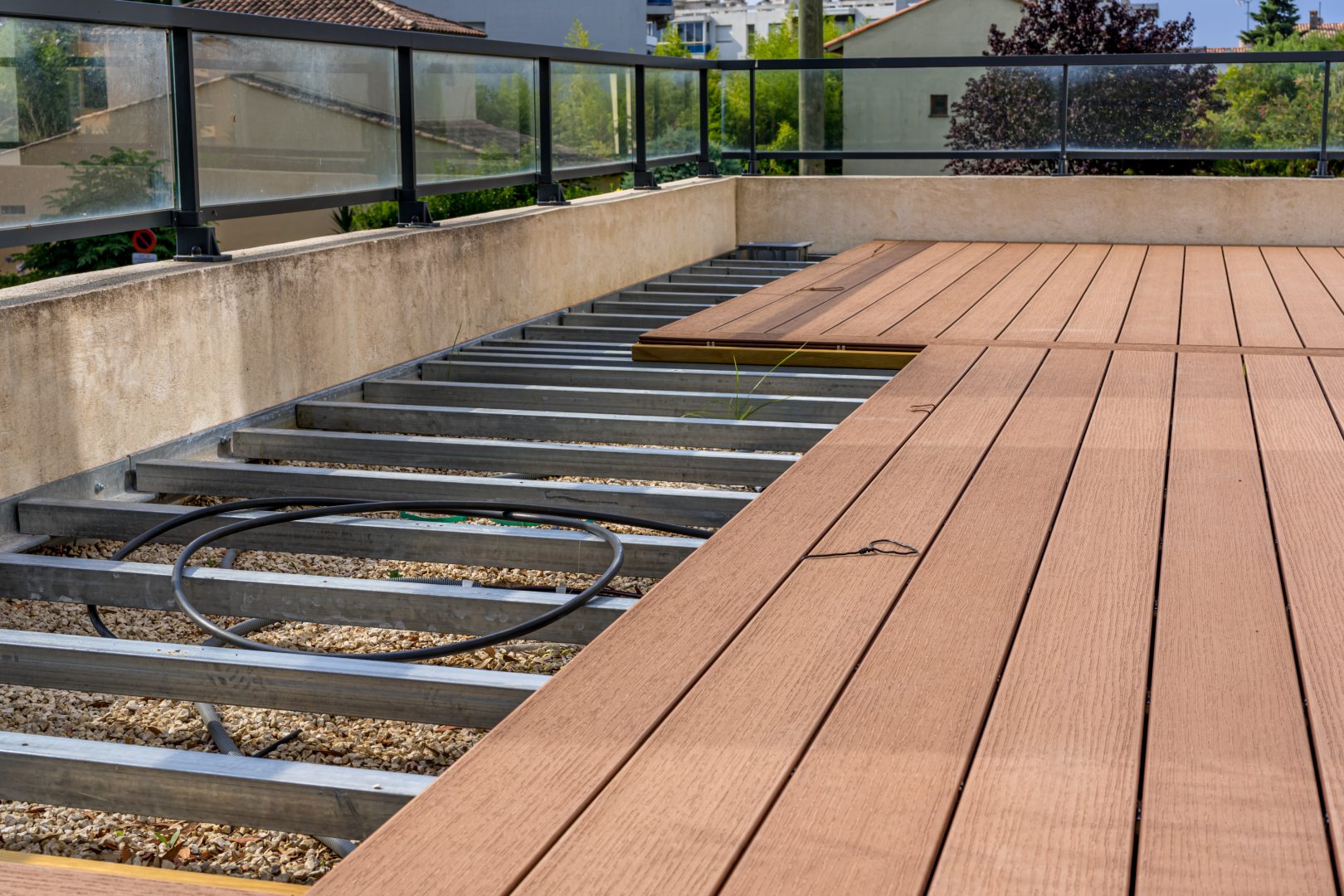
Comparing Upfront Cost vs. Lifetime Cost
Wood can offer a lower initial material cost, depending on the species and project. Composite usually requires a larger upfront investment but can reduce the amount of ongoing maintenance required over the life of the deck.
The better value depends on your budget, how long you plan to keep the deck, and how much maintenance you are comfortable taking on.
Maintenance Time and Expected Lifespan Side by Side
Wood
Wood typically requires more regular attention to maintain its appearance and protect the surface from Colorado weather.
Composite
Composite is designed for easier upkeep and generally requires routine cleaning rather than the same level of staining or refinishing.
Actual lifespan for either option depends on product quality, installation, exposure, maintenance, and the conditions around the property.
Matching Decking Material to Your Home’s Style
Material choice should also fit the look of the home.
Wood can be a strong fit for homeowners who want a more natural or traditional appearance. Composite offers a wide range of colors and finishes that can work well with both modern and traditional properties.
Best Construction Brands helps homeowners compare options based on both the deck itself and how it connects visually to the home.
A Quick Decision Guide: Which Material Fits Your Project
Wood may make sense if you:
- ✓Prefer a natural, traditional appearance
- ✓Want more flexibility in stain and finish
- ✓Are comfortable with additional maintenance
- ✓Want to prioritize a lower upfront material cost
Composite may make sense if you:
- ✓Want lower ongoing maintenance
- ✓Prefer a more consistent long-term appearance
- ✓Want a wide range of colors and finishes
- ✓Are comfortable investing more upfront for easier upkeep
There is no single right choice for every home. The best material depends on your priorities, property, budget, and how you want to use the deck.
How Our Team Helps You Choose and Build the Right Deck
Best Construction Brands helps Colorado homeowners compare wood and composite products based on appearance, maintenance, performance, budget, and local conditions.
Once the material is selected, our team can coordinate the design and installation so the finished deck fits the home and the way you want to use the space.
FAQ
Choosing between wood and composite often comes down to questions about cost, maintenance, Colorado weather, and long-term performance. Here are some of the most common questions homeowners ask when comparing the two materials.
It can be for homeowners who value lower maintenance and a more consistent appearance over time. Whether the additional upfront cost makes sense depends on your budget, maintenance preferences, and how long you plan to keep the deck.
Strong sun, dry conditions, and changing temperatures can contribute to fading, drying, cracking, and other weathering. Regular maintenance becomes especially important for homeowners who choose traditional wood decking.
Composite products are designed for outdoor use, but performance varies by manufacturer and product line. Weather exposure can still affect exterior materials over time, which is why product quality and proper installation matter.
Maintenance needs vary based on the wood, deck exposure, finish, age, and condition. In general, wood requires more ongoing care than composite to maintain its appearance and protect it from weather.
Both can be used successfully in Colorado when properly installed. The better choice depends on the specific product, deck design, exposure, and maintenance expectations.
Composite decking can become warm in direct sunlight, and surface temperature varies by product and color. Lighter finishes and product selection can make a difference, so this is worth considering when comparing options.
There is no single lifespan that applies to every deck. Material quality, installation, sun exposure, moisture, maintenance, and product choice all influence how long either option performs well.
Yes, composite decking is commonly installed over a properly designed structural framing system. The exact framing and installation requirements depend on the selected decking product and project design.
Ready to Choose the Right Deck Material?
If you are deciding between wood and composite decking, Best Construction Brands can help you compare the options based on your home, your goals, and the kind of maintenance you want to take on. Financing options are available for qualified buyers.
Online Support
Contact Us