
LOGO BC small

Accessible Deck Solutions in Colorado


Best Construction Brands helps Colorado homeowners create deck spaces that support safer access, easier movement, and more comfortable everyday use without sacrificing the look or feel of the finished outdoor space.

SAVE 15% OFF TODAY

Plan Your Accessible Deck

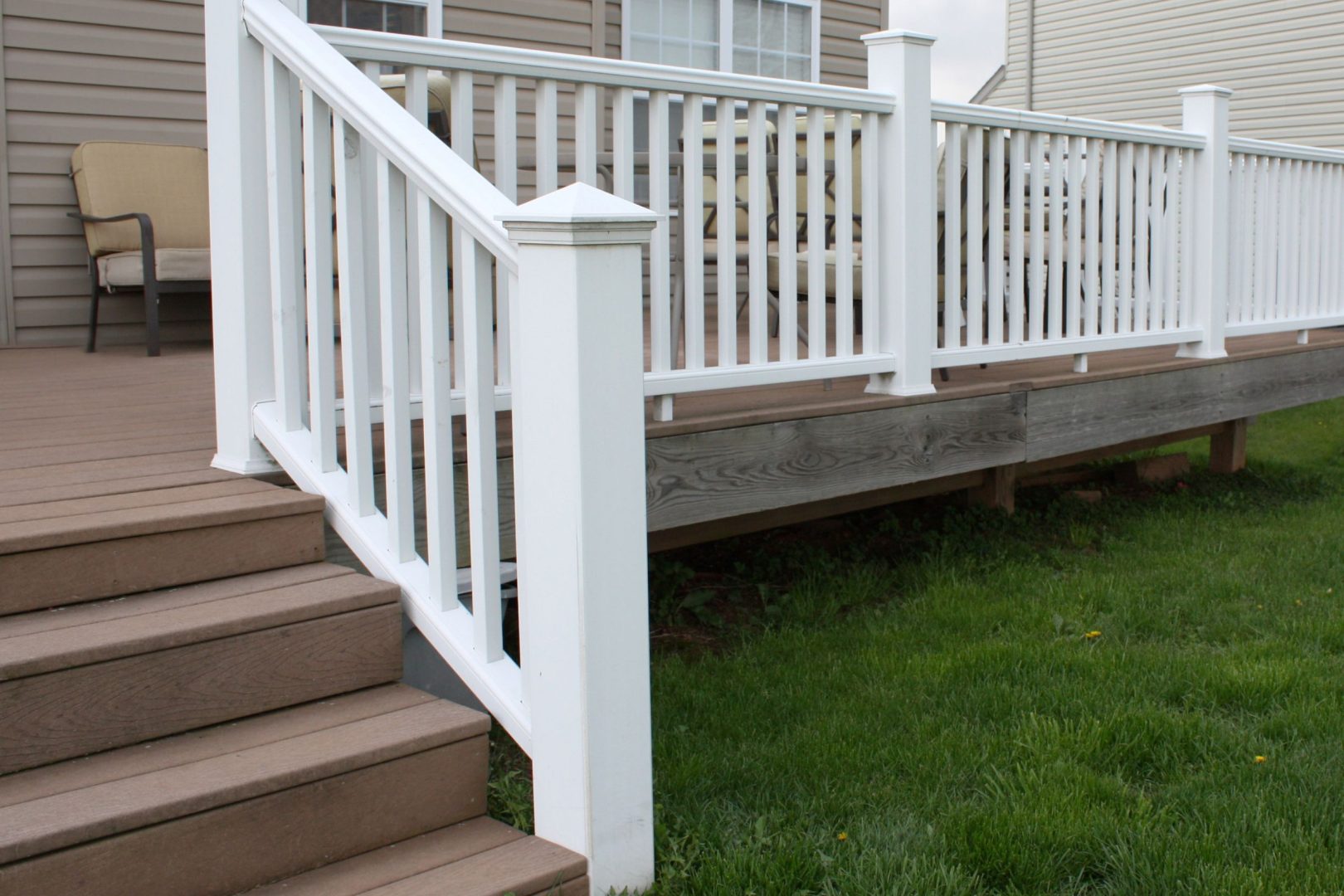
Accessible deck with a low-threshold entry connecting a Colorado home to the backyard

Building Decks That Work for Every Body, in Every Colorado Backyard

An accessible deck should feel like a natural extension of the home, with the layout, materials, and transitions planned around the people who will actually use it.
What Actually Makes a Deck Accessible

Accessibility involves more than adding one feature. Entry points, walking surfaces, railings, transitions, and the overall layout all play a role in how comfortable and practical the deck feels.

Zero-Step and Low-Threshold Entries

Reducing unnecessary steps or high transitions can make it easier to move between the home and deck. Depending on the property, zero-step or low-threshold access can create a smoother connection to the outdoor space.

Wide, Level Surfaces for Wheelchairs and Walkers

Clear pathways and level surfaces provide more room to move comfortably with wheelchairs, walkers, and other mobility aids. Careful layout planning can also make furniture and gathering areas easier to navigate.

Ramps, Handrails, and Safe Transitions Between Levels

Ramps, handrails, and thoughtfully planned transitions can improve movement across changes in elevation. These features should be integrated into the deck design so they feel intentional rather than added afterward.

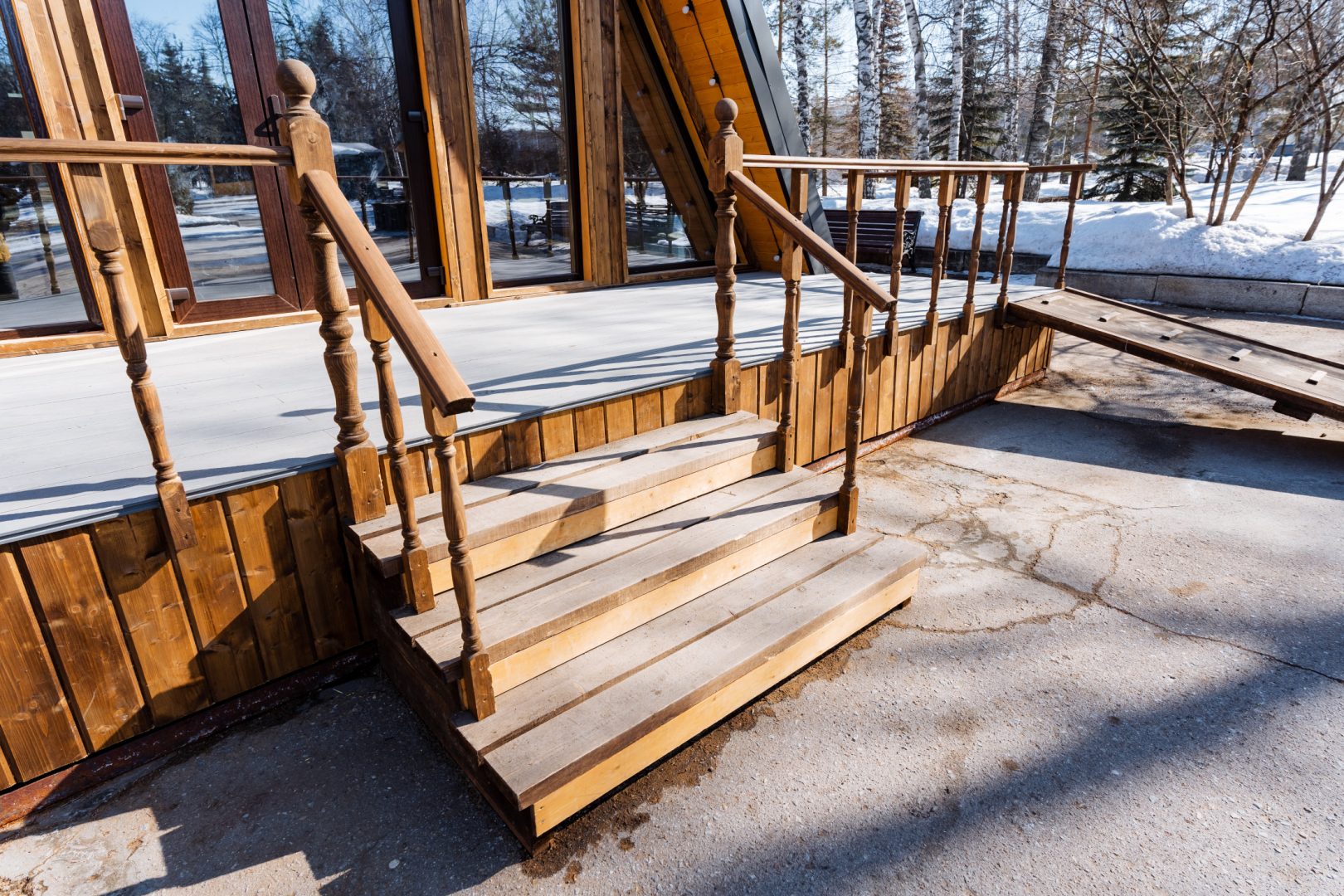
Deck ramp with handrail on a sloped Colorado lot

Designing Around Colorado’s Terrain and Climate

Colorado properties can present unique challenges, from sloped lots to strong sun, snow, and changing temperatures. Accessible deck design needs to account for both the homeowner and the conditions around the property.

Solutions for Sloped or Uneven Lots

A sloped yard does not automatically rule out an accessible deck. The layout can be planned around elevation changes using ramps, landings, transitions, and other design solutions that create a more usable path through the space.

Weather-Ready, Low-Maintenance Decking Materials

Deck materials should support stable everyday use while standing up to Colorado weather. Best Construction Brands helps homeowners compare wood, composite, and other options based on maintenance, durability, surface feel, and long-term performance.

Firefighter managing a grass fire near homes in Colorado

Building to Local Fire-Zone Requirements

Some Colorado properties fall within Wildland-Urban Interface areas where deck materials and construction may need to account for local fire-zone requirements.

Best Construction Brands helps homeowners consider those requirements during planning so accessibility, material selection, and the surrounding conditions are addressed together.

See if you’re in a zone →

Comfort Details That Make a Real Difference

A deck can be accessible and still be a place where homeowners want to spend time. Small details can make the space more comfortable throughout the day and across different seasons.

Lighting for Safe Use Day and Night

Good lighting can make stairs, ramps, transitions, railings, and walking areas easier to see after dark. Lighting can also improve the overall atmosphere of the deck without making accessibility features feel clinical.

Shade, Heat, and Cold-Weather Comfort

Covered areas, pergolas, shade features, and thoughtful placement can help make the deck more comfortable during strong Colorado sun and changing weather.

Planning for seasonal conditions from the beginning can help the outdoor space remain more usable throughout the year.

Covered deck with lighting and shaded seating in Colorado Springs

Choosing an Accessible Deck Builder in Colorado

An accessible deck requires careful planning around entry, movement, elevation changes, materials, and the way the finished space will be used.

Best Construction Brands approaches accessibility as part of the overall deck design rather than treating it as a separate add-on.
Age Safe America — Certified Senior Home Safety Specialist® (SHSS)

Questions Worth Asking Before You Sign a Contract

Before choosing a deck builder, ask how accessibility will be incorporated into the layout, how changes in elevation will be handled, what materials make sense for the property, and how permitting or local requirements may affect the project.

It is also worth understanding the planned timeline, material options, and what happens if the existing site creates unexpected challenges.

Our Design-to-Build Process

Best Construction Brands keeps accessibility considerations connected throughout the project.

Consultation and Site Evaluation

We start by looking at the property, entry points, elevation changes, and how the deck needs to function.

Design and Material Planning

We work through the layout, transitions, railings, decking materials, and accessibility-focused features before construction begins.

Permits and Project Coordination

Applicable permitting, local requirements, and material coordination are addressed as part of the project plan.

Construction and Final Review

Our team builds the deck according to the approved plan and reviews the completed space before wrapping up the project.

Start Planning Your Accessible Deck

Whether you are building a new deck or looking for ways to make an existing outdoor space easier to use, Best Construction Brands can help you plan around mobility, comfort, the property, and your long-term needs.

Plan Your Accessible Deck

FAQ

Frequently Asked Questions

An accessible deck generally includes features that make entry, movement, and everyday use easier. That may include low-threshold access, wider pathways, ramps, railings, level surfaces, and safer transitions between areas.

Cost depends on the size and height of the deck, materials, site conditions, ramps, railings, structural requirements, and other accessibility features. Best Construction Brands provides a project-specific quote after reviewing the property and scope.

Yes, depending on the property. Sloped lots may require additional planning around ramps, landings, elevation changes, and structural design to create easier movement through the space.

The right material depends on the property, maintenance preferences, and selected product. Smooth, stable surfaces and proper installation are especially important when the deck will be used with wheelchairs or walkers.

Permit requirements vary by location and project. Best Construction Brands helps homeowners navigate applicable permitting requirements during the planning process.

Depending on the layout and available space, ramps, gradual transitions, landings, or redesigned connections between levels may provide alternatives to stairs.

Sometimes. The answer depends on the condition, layout, structure, and available space around the existing deck. Best Construction Brands can evaluate whether accessibility improvements can reasonably be added or whether a larger rebuild makes more sense.

Timelines depend on the project size, site conditions, complexity, permitting, material availability, and accessibility features involved. We provide a clearer schedule once the design and scope are established.

Ready to Make Your Deck Easier and Safer to Use?

Talk with Best Construction Brands about your space, your goals, and the kind of accessibility improvements that make the most sense for your deck. Financing options are available for qualified buyers.

Hours

Monday – Saturday
8:00 AM – 4:00 PM